
Fullstack AI EngineerChristopher Böbel
Fullstack AI engineer building production-grade AI systems, AI agents and computer vision applications.ABOUT ME
Background
As a Fullstack AI Engineer, I develop complete AI applications – from user interface to backend infrastructure. You get production-ready systems that work in everyday use.
My focus is on well-thought-out solutions that create real value. From initial idea through prototype to final deployment, I accompany the entire project.
I work from Göppingen – remotely and on site across the Stuttgart region. I studied at Aalen University and currently work as a Fullstack AI Engineer at kothes GmbH.
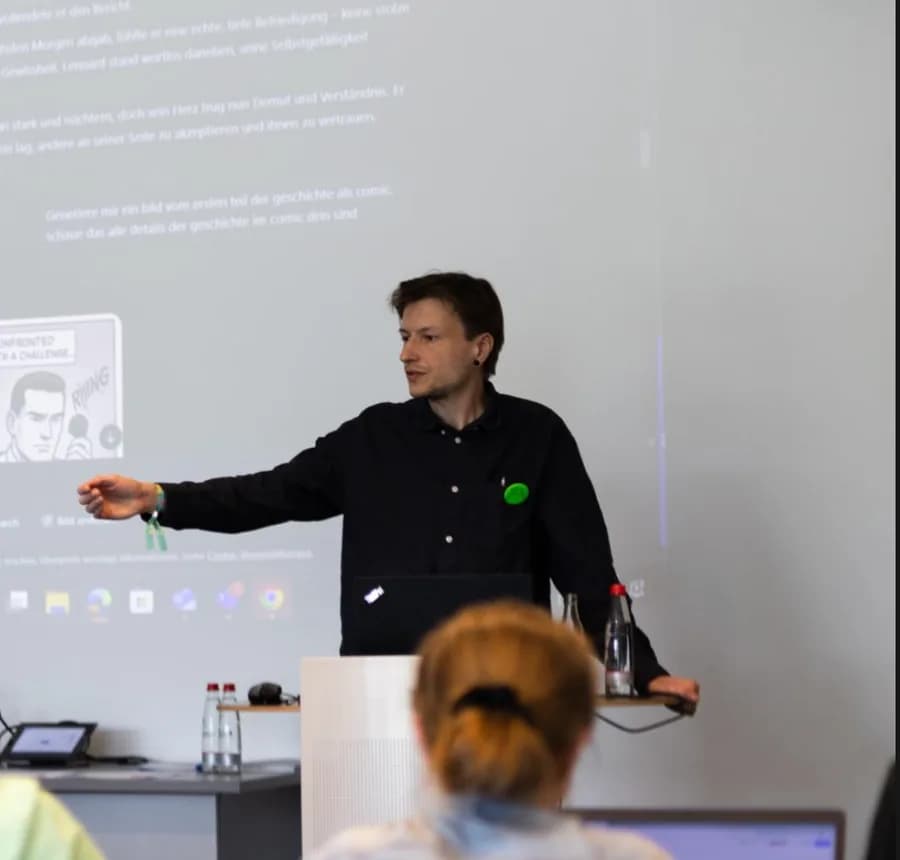
Christopher Böbel
Fullstack AI-Engineer
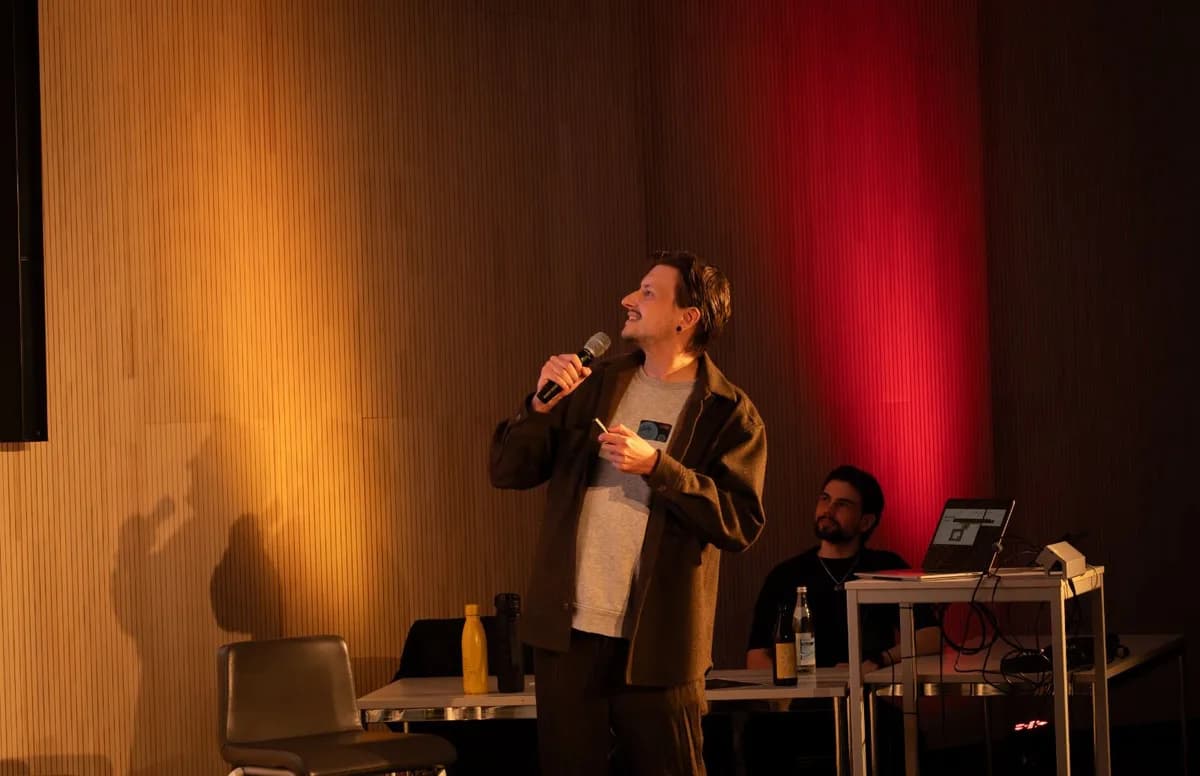
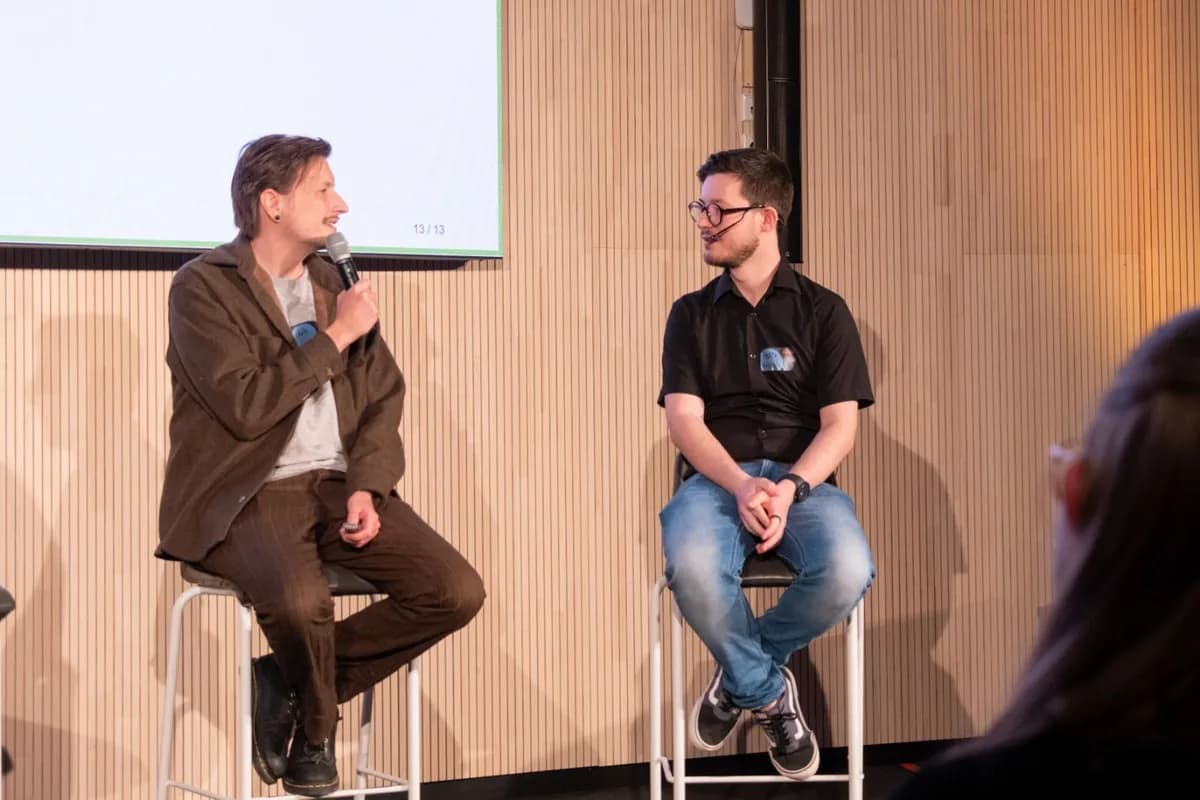
EXPERIENCE
Experience
Fullstack AI Engineer
PresentDevelopment of production-ready AI applications for technical documentation. From user interface through backend logic to final deployment.
Research Assistant
Development of AI prototypes for research and education in human-computer interaction. Knowledge transfer of AI expertise through lectures and workshops.
Skills
LangGraph
LangChain
MCP
RAG
Agent Evals
PyTorch
OpenCV
Python
FastAPI
Node.js
PostgreSQL
Redis
TypeScript
React
Next.js
Docker
GitHub Actions
What I do
Services
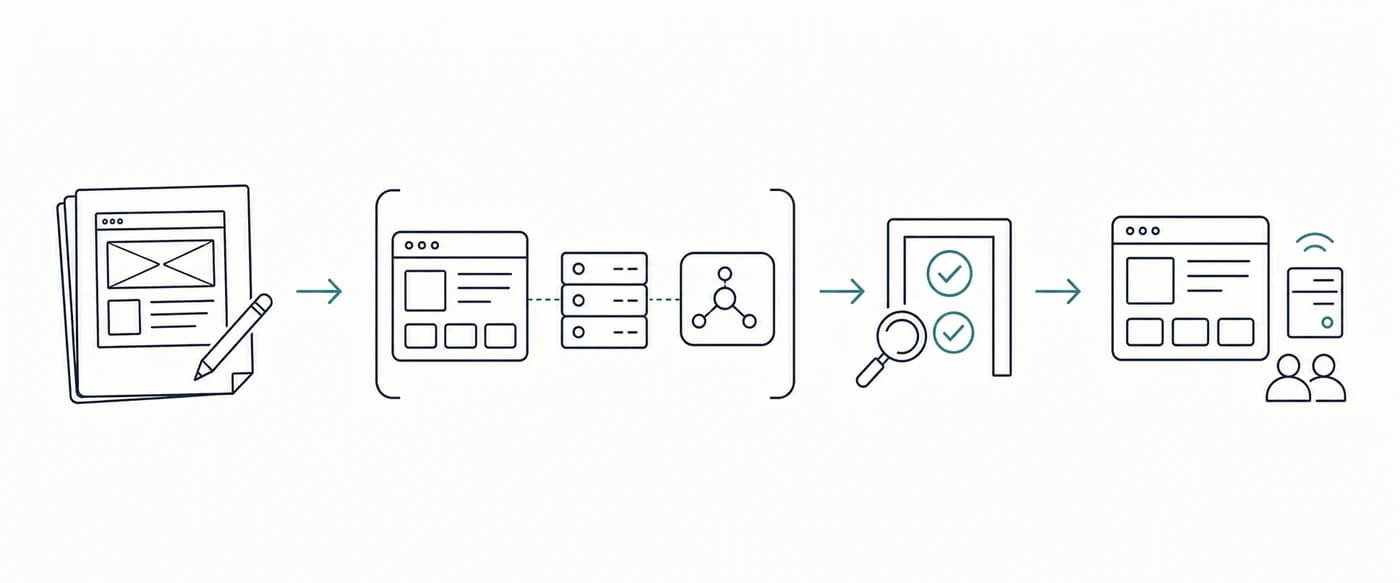
AI applications from idea to operation
Complete AI applications as systems that run day to day – not prototypes that stay in a notebook. KLICKin, the career platform of Aalen University, has been in production since launch with more than 550 registered users.
Case study: KLICKin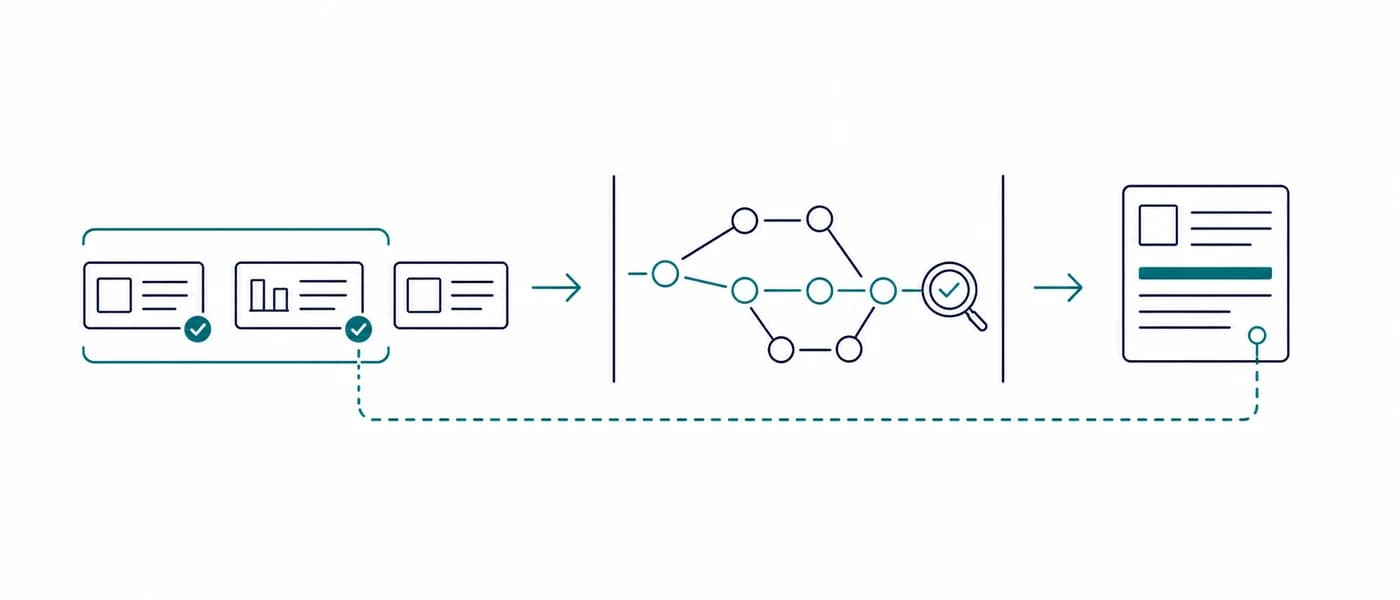
LLM integration with evidence, not gut feeling
Language models belong in a product only with guardrails: structured output, evals against reference cases, verification against sources and measurable cost. In Academic DeepSearch a deterministic graph decides what the model may do – and every citation has to point at admitted evidence.
Case study: Academic DeepSearch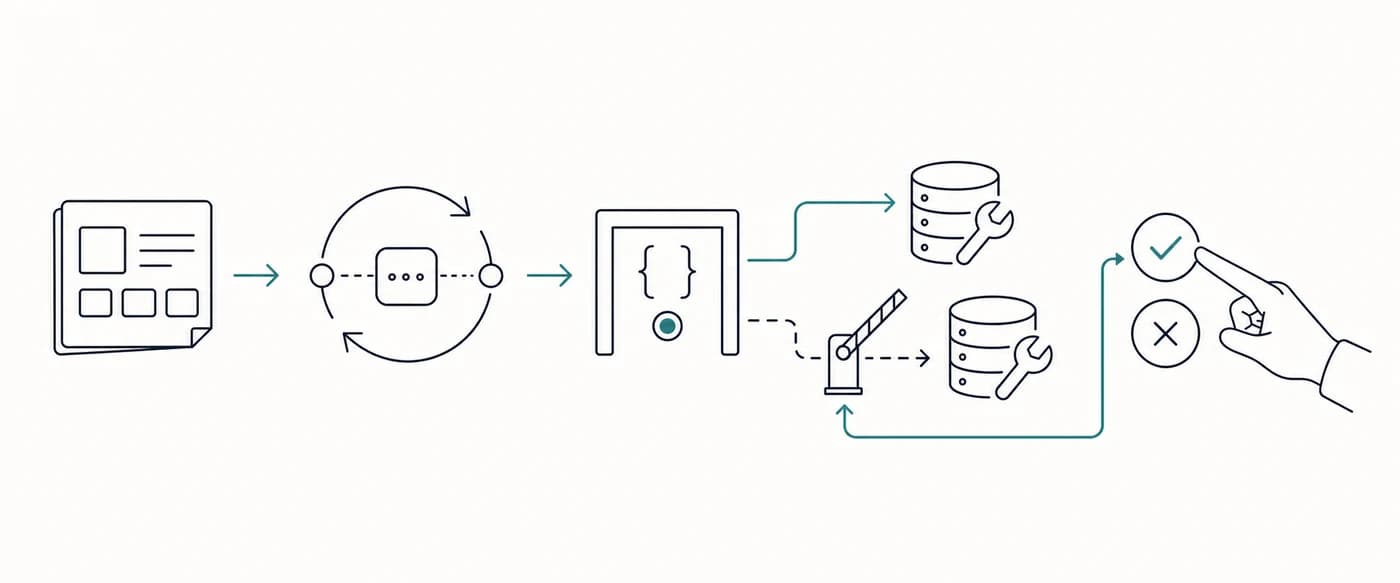
AI agents with clear boundaries
Agents that use tools need rules: which action may run, what a human has to confirm, how every step is checked. I build that approval logic as code, not as a prompt – with deterministic evals before anything goes live. Chelaro makes that readable in public: there the AI holds exactly eight typed tools and cannot overwrite a confirmed figure with any of them.
Case study: Chelaro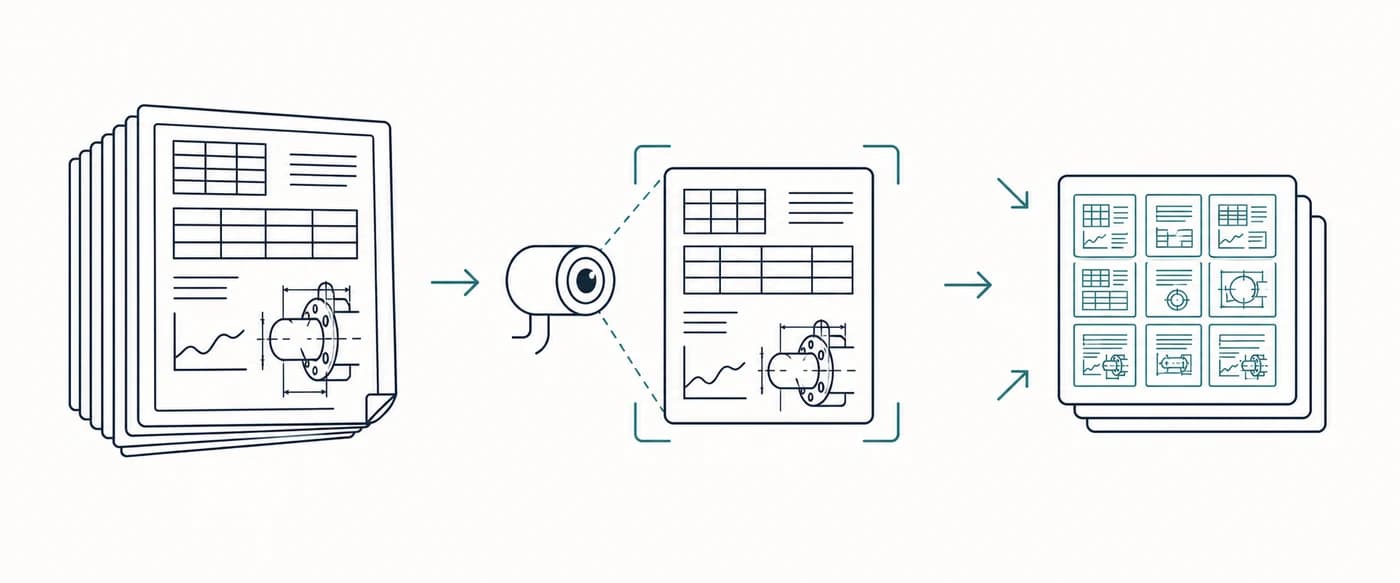
Document AI with vision LLMs
Scanned PDFs, tables, drawings: where plain text extraction fails, I work with vision models. With Optical Context MCP I published an open-source package on PyPI that compresses OCR-heavy PDFs into image bundles – up to 85 % less context on a 22-page test document.
Case study: Optical Context MCP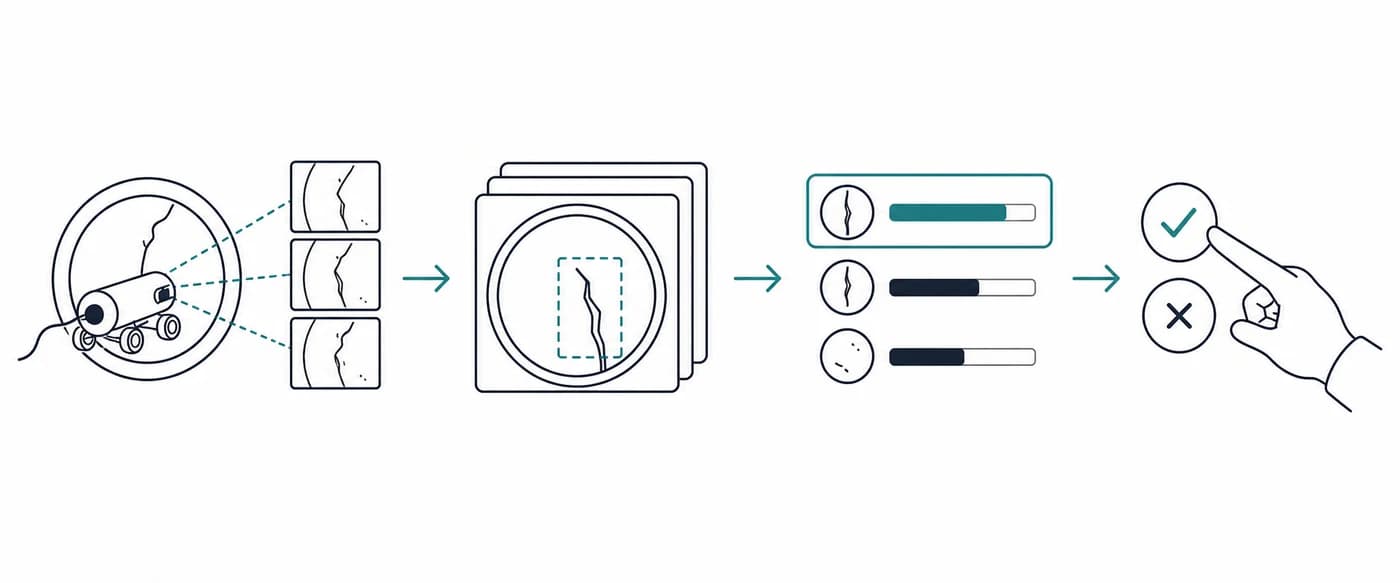
Computer vision for industry and infrastructure
Object detection on real data: training models, making results measurable and putting them into a review cockpit where domain experts have the final say – as in the AI sewer inspection for Badenova with a measured 90 % time saving.
Case study: SewerScan: AI sewer inspection for Badenova
PROJECTS
Projects
Five systems I worked on – from one running in production and a public source preview to a published open-source package. Every case study covers the problem, the architecture and the result.
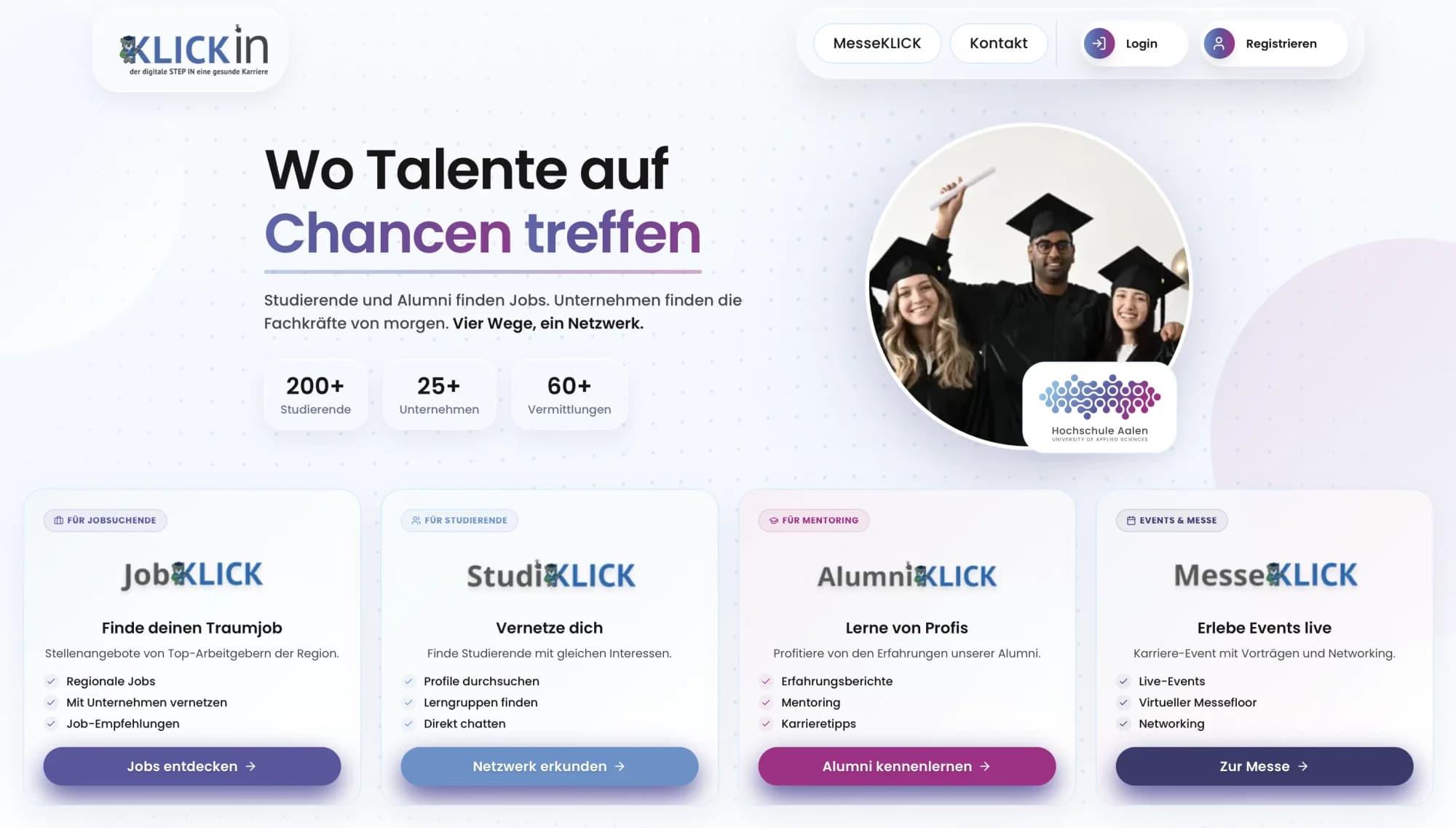
KLICKin
CLIENT
The career platform of Aalen University, which I built as a fullstack system and which has been running in production ever since.
550+ registered users
Read the KLICKin case study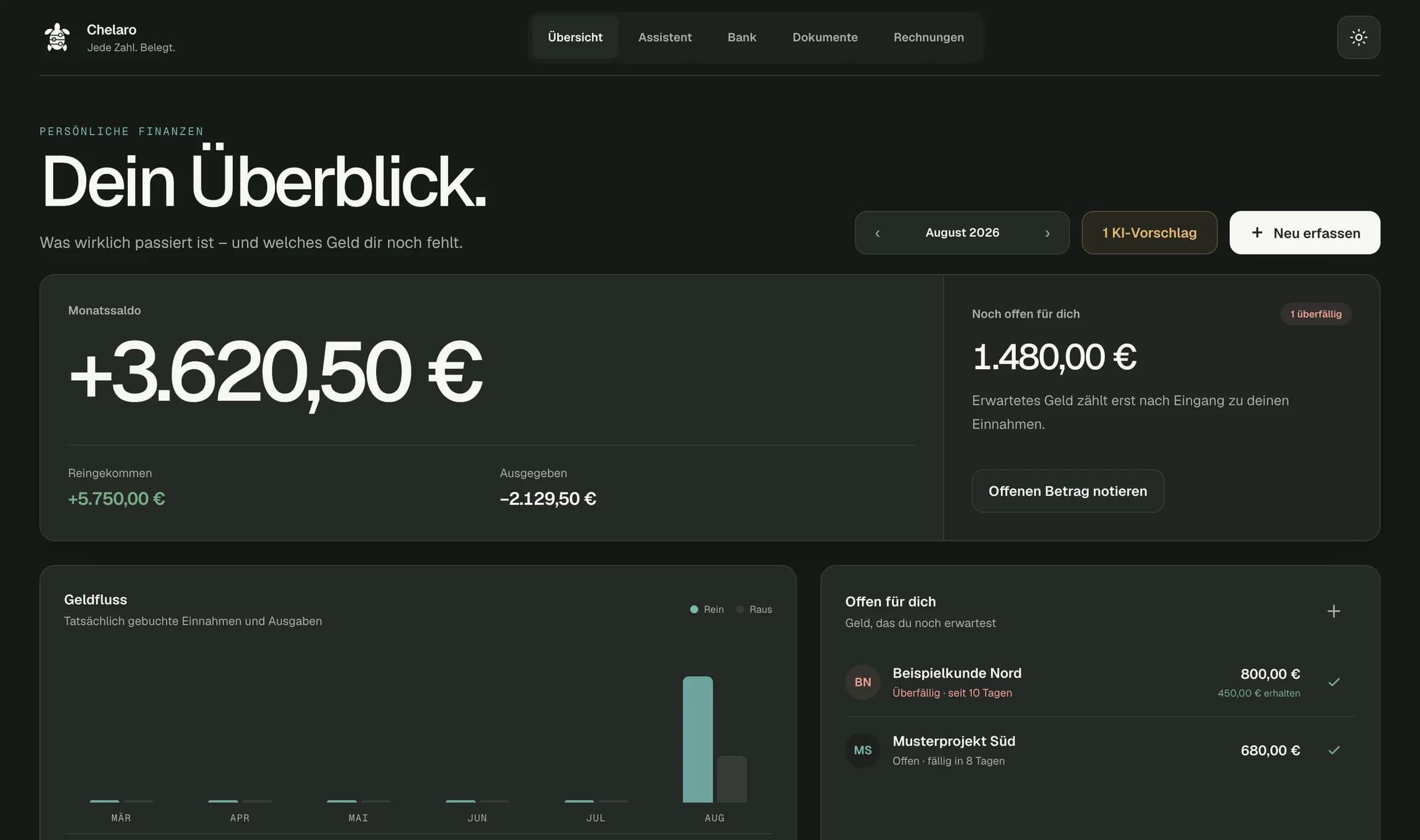
Chelaro
A local finance workspace, published as a source preview: the AI holds exactly eight typed tools and may not overwrite a confirmed figure with any of them.
8 typed tools, 0 with write access
Read the Chelaro case study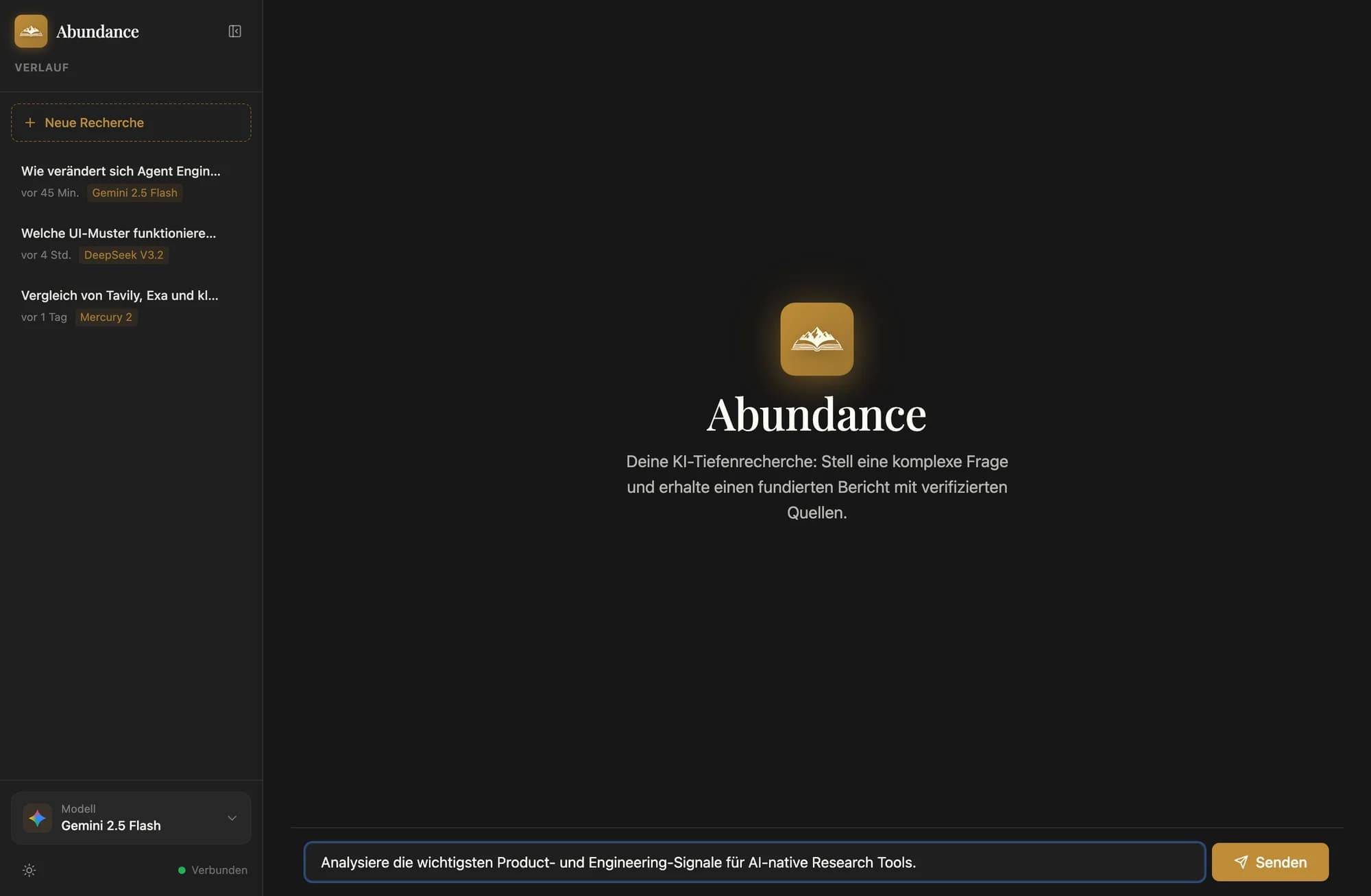
Academic DeepSearch
A deep-research application that turns complex questions into evidence-backed reports with counterevidence and verified citations.
8-stage deterministic research graph
Read the Academic DeepSearch case study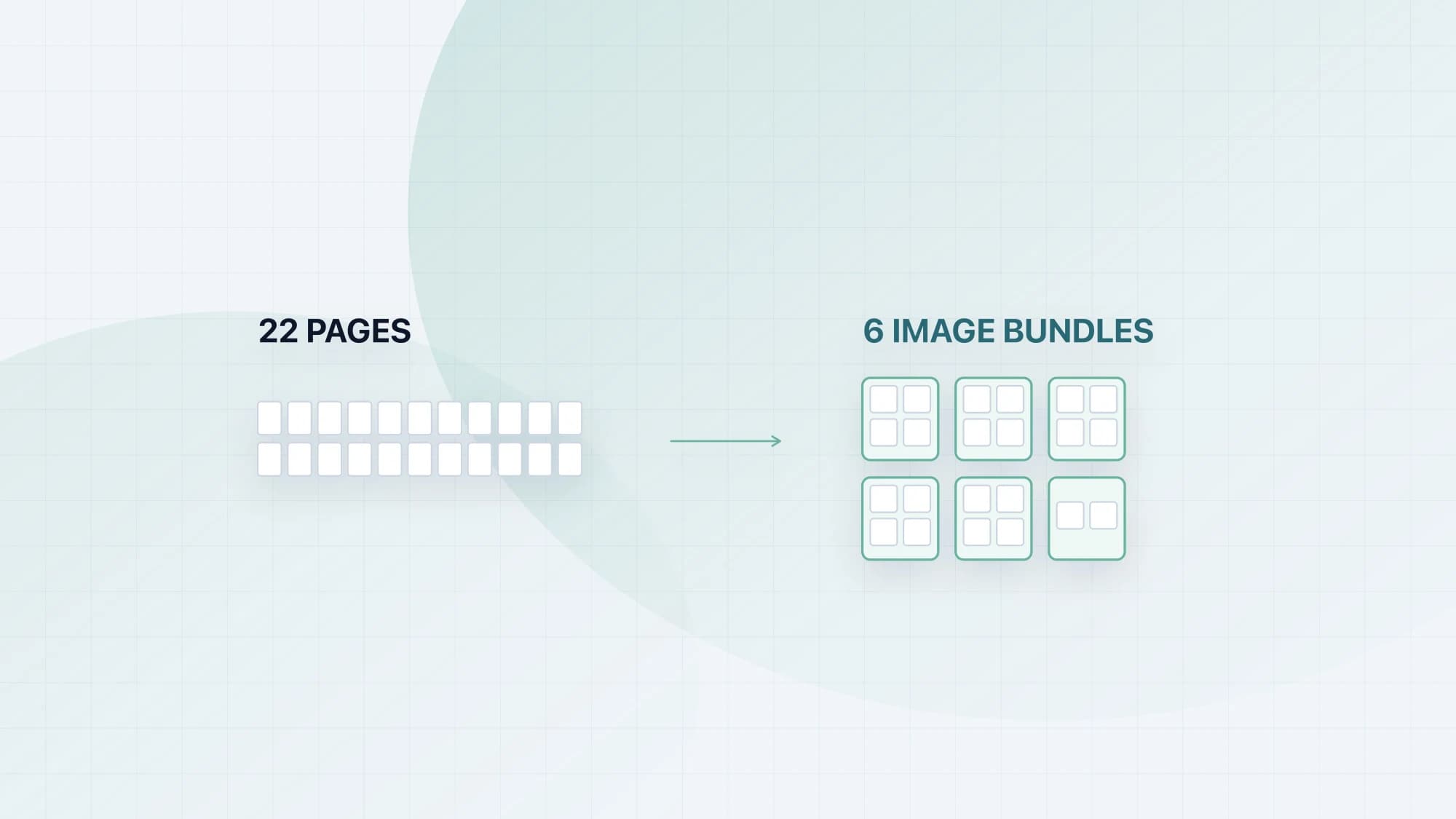
Optical Context MCP
A published open-source package that turns OCR-heavy PDFs into compact image bundles for vision LLMs.
9,076 reviewed training images
Read the Optical Context MCP case study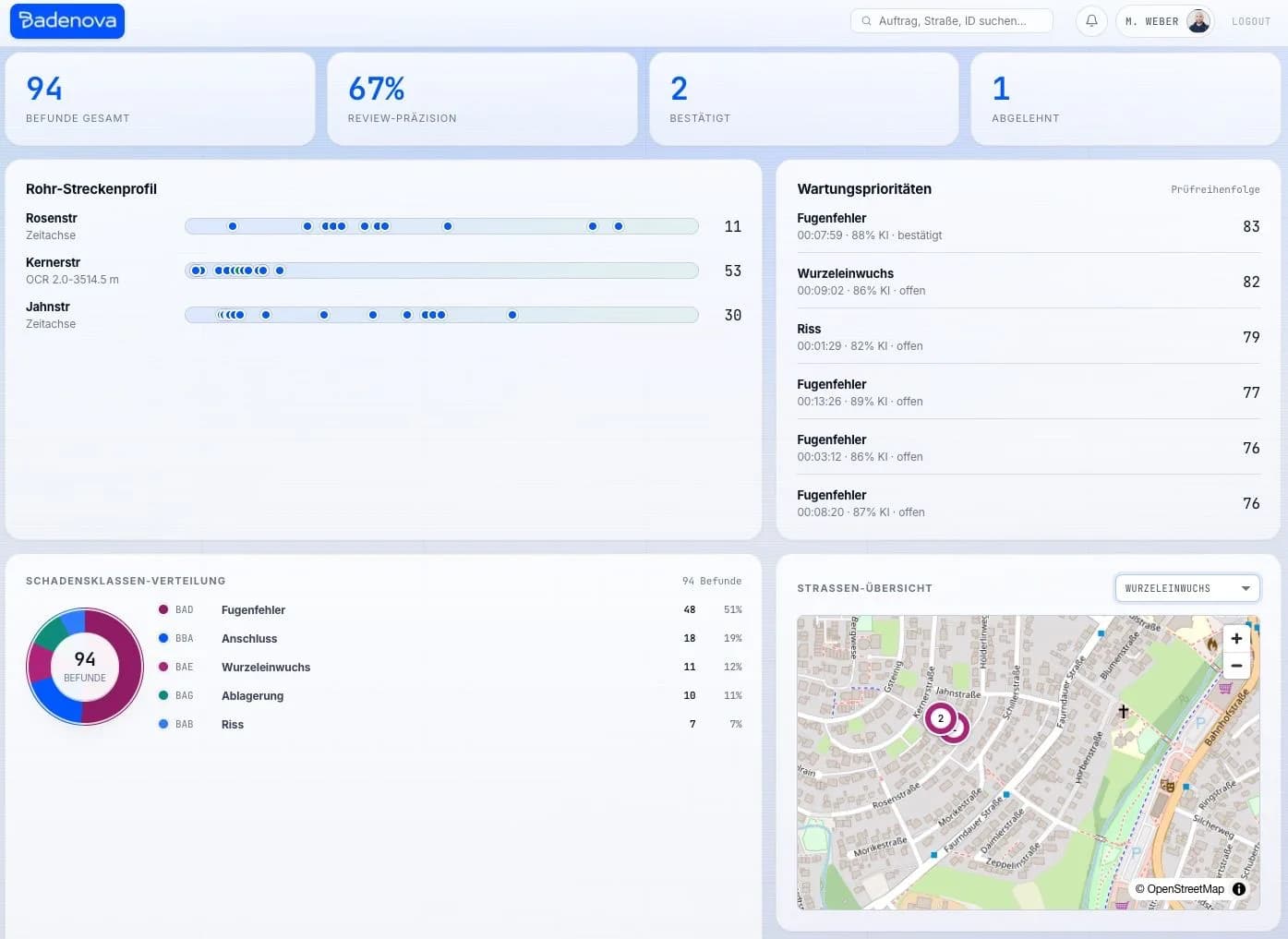
SewerScan
SewerScan for Badenova: a pretrained YOLO model tested on real inspection data, with a review cockpit, geo map and Kanban board.
90 % measured time saved
Read the SewerScan case study


FAQ
Common questions
The questions that usually come up before a first enquiry – answered briefly.
Where are you based and how far do you travel?
I work from Göppingen – remotely and on site in the Stuttgart region. Remote covers most projects; for workshops and kick-offs I come by.
What does “fullstack AI engineer” actually mean?
That the AI component is not built in isolation: I develop the data model, backend, model integration, interface and deployment as one piece. A model nobody ships helps nobody – so the path into operation is part of the job.
Which technologies do you use?
For AI: LangGraph, LangChain, MCP, RAG, PyTorch and OpenCV; language models usually via OpenRouter, such as DeepSeek or Gemini, OCR with Mistral. For the rest of the stack: Python with FastAPI, TypeScript with Next.js and React, PostgreSQL, Redis, Docker and GitHub Actions.
How do you make sure an AI system does nothing wrong?
By not giving the model control. Orchestration, source admission and approvals are code, not prompts; outputs are structured and measured with evals against reference cases before anything goes live. Where decisions are involved, a human confirms – as in the review cockpit of the sewer inspection project.
Are the numbers in the case studies verified?
Yes. Every number on this site comes from a repository, a release or a measurement – user counts, training images, accuracy, token savings. Schematic illustrations are labelled as such and are never passed off as screenshots.
Can I look at the code?
Partly, and the licences differ. Optical Context MCP is published as a package on PyPI and on GitHub, Academic DeepSearch (Abundance) under the MIT licence, the sewer inspection work under AGPL-3.0. Chelaro is readable but source-available rather than open source: commercial use requires a separate licence. KLICKin belongs to the client and lives in a private repository.
What is the best way to get in touch?
Through the contact form or by email to mail@christopherboebel.com. Describe briefly what you have in mind – I get back to you promptly.
CONTACT
Contact
Tell me what you have in mind – I'll get back to you shortly.